
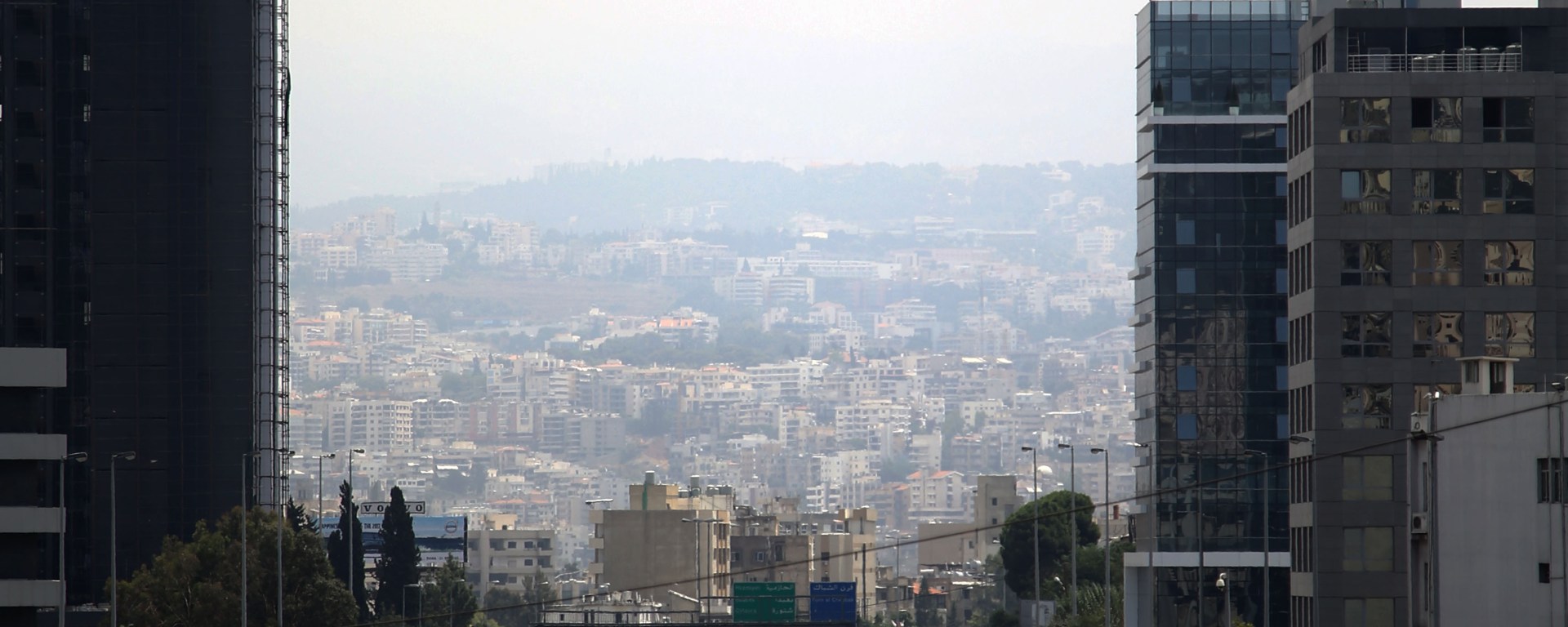
It’s all settled. Tickets in hand, camera packed, you’re flying to Lebanon!
Still wondering how to move around once there? Don’t worry , you have plenty of options. Let us talk about them, starting with the cheapest one.
1. How to get from and to the airport
First things first. Let’s assume you’re arriving to Beirut, as Beirut Rafic Hariri International Airport is the only airport in the country, and you need to get to the city centre. Take a private taxi (or read the “Rent a car” section below).
You can find official airport taxis parked next to the terminal at the arrival gate. Our recommendation is to ask your hotel to book a taxi for you. They will be waiting for you at your arrival and will charge around 20 or 25 dollars (30000-35000 LBP). It is the fastest and safest way to get out of the airport.
For your way back, you can follow the same procedure. The good part of the reverse story is that price will drop off as they will not be waiting for you (20000 LBP, around 14 dollars).
2. Public transportation
Once in Beirut, you will hardly ever find information about public transportation, but it exists. Most buses work on a hail-and-ride basis. This means you do not even need to get to the station (if you ever find it) to get to your bus, and you will be able to get off wherever you want. Depending on your destination though, you should go toward different places in the city, the so-called “stations”. They will considerably differ from your pre-conceived idea of what a station should be but, hey, there are buses in them:
- For buses to the North and Syria: Charles Helou bus station
- For buses only to the North: Dawra Transport Hub
- For buses to the South: Cola Transport Hub
You do not need to pay your ticket in advance but once you get off the bus, as you’ll normally pay depending on your destination. Before getting into the bus, make sure this concrete bus is reaching your destination. Sometimes, it turns out to be hard to talk to bus drivers as they do not speak very good English or French and they might not understand you. No problem. Ask anyone else in the bus. They are normally very friendly and will help you to get to your destination.
Prices differ depending on the destination, from 1000 LBP to 5000 LBP (between 50 cents and 3 dollars).
3. Taxis and services
The main difference between taxis and “services” is, of course, price. If you want to stop a private taxi, you will need to pay the whole trip by yourself and you will have the vehicle for your own. You will realize not every taxi has the “taxi” sign on top of the vehicle. How can I recognize them? You will know they are taxis due to their red or pink license plate. Do not ever get into a taxi if they do not have the pink plate.
For a ride inside Beirut in a private taxi, you will not pay more than 5000-6000 LBP (around 4 dollars). Make sure you negotiate the price before getting into it, otherwise they will try to charge you more when reaching your destination. If they do not agree on the price, just let them go. You will find another taxi who gets you at the right fare, don’t stress.
If you chose to take a “service” or shared taxi, you’ll pay less, but you will share the vehicle with people doing a similar route. It’s sometimes much more fun! Services also have the red-pink plate (they are -shared- taxis after all) so it’s convenient to ask wether it’s a private or a shared taxi before accepting, in case there is still no one inside the vehicle. Prices for services inside Beirut are 2000 LBP. It’s normally cheapest in other cities. For instance, the fare for a service in Tripoli is 1000 LBP, nothing else.
You might stop a service that refuses taking you. Do not feel offended, they are probably heading somewhere far from your destination and it’s not convenient to take you.
You can also get a private taxi to get from one city to another. Prices are always negotiable. Taxis have no taximeter. Here there are some of the prices paid as a reference (around 16 dollars):
- ride from Batroun to Tripoli by night: 25000 LBP
- ride from Byblos to Batroun by day: 20000 LBP
- ride from Deir el Qamar to Beirut: 25000 LBP
Lebanon is a small country and distances are relatively short. If you chose to move by taxi, you will not spend that much money, unless you over-use it.
Regardless your choice, always ask! People in this country is very friendly and they will always try to help a traveler struggling!
4. Rent a car
There are many car-rental companies that will offer a wide range of cars to drive when in Lebanon, just as any other Western city (Avis, Sixt, Budget, Europcar..). Any of those companies would work for you.
However, you need to be a highly adventurous, careful and meticulous driver to hit the road in Lebanon. Traffic rules does not seem to apply to Lebanese drivers, do not try to understand. Yet, if you want to live this experience, renting a car is the most useful way to travel around, as you will not have to negotiate prices or be asking around every time you want to move. It might be time-saving, as long as you don’t have a minor accident.
It is not the cheapest option, but if you’re not staying in the country for a long time and you want to move around quite often, it’s not a bad idea to rent a car at the airport for the time of your stay and return it the day of your departure. It will cost you (a) hundred(s) dollars, depending on the number of days and people traveling, but keep it in mind.
If you have enough time to travel around, our recommendation is to use public transportation and taxis. It’s a much more interesting experience and you will get to know many people, and even make some long-lasting friends.
Remember: you need an International Driving license permit to drive in the country.

 BEIT
BEIT 